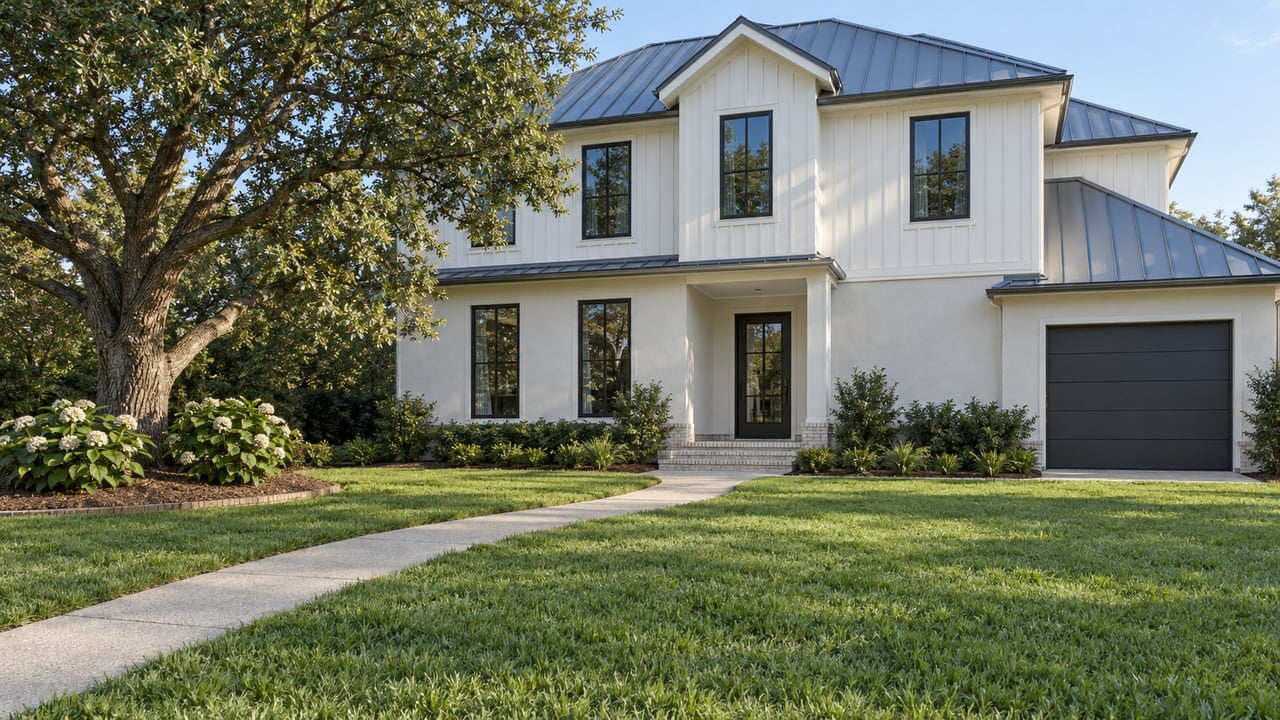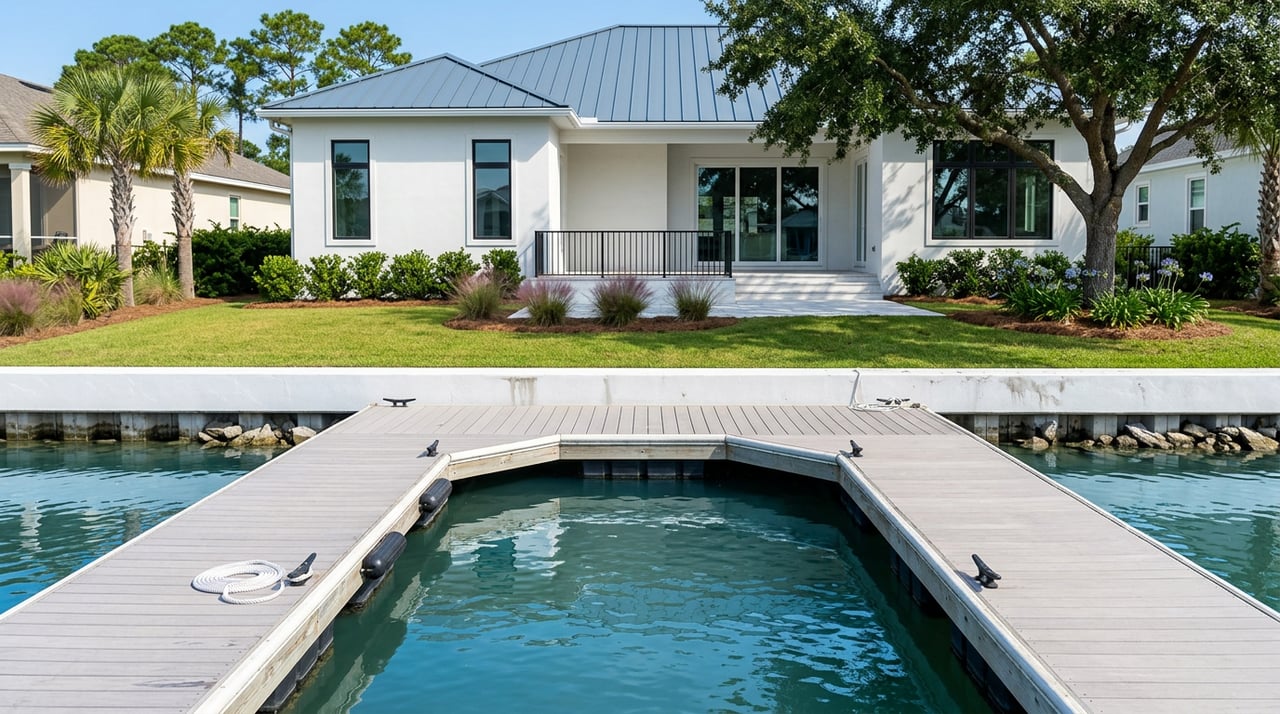
If you could step onto your boat five minutes after pouring your coffee, how often would you go? If you are weighing a move to Waterways in Gulf Shores or planning a resale, the marina is not just a perk. It can be a real asset. In this guide, you will see what a deeded boat slip is, why the Waterways setup stands out, and how it can influence financing, insurance, and resale value. Let’s dive in.
What a deeded boat slip means
A deeded boat slip is more than a place to park your boat. It is typically a recorded real‑property interest that conveys exclusive rights to a specific slip. You should see it reflected in a deed or legal description and, in some cases, a separate tax assessment. This is different from an assigned or month‑to‑month berth that you could lose or that might not transfer with the home. You can learn how these slips are treated in property records from this practical overview of real‑property slips. Here is a helpful primer on deeded slips as real property.
When a slip is truly deeded and recorded, many lenders and appraisers view it as real property that can be included in the mortgage collateral. That treatment shapes underwriting, title work, and appraisal reporting. Waterways’ own financing guidance explains how to prepare documents for lenders, including association rules and any marina leases or permits. See the community’s take on financing a vacation property with a deeded boat slip.
Why Waterways slips stand out
Waterways is a gated waterfront community in Gulf Shores with a private marina designed for boaters. The community features 42 private, deeded boat slips, a private boat launch, day and guest slips, and a community pool inside the gates. These features are central to the neighborhood’s lifestyle and are frequently highlighted in local listings. Explore the community overview on the official Waterways site.
Everyday convenience
Owning a deeded slip where you live removes the friction of trailering or driving to an off‑site marina. Your boat is ready when you are. At Waterways, the on‑site launch and day slips support a quick dock‑and‑go routine that fits weekend runs, sunset cruises, and fishing trips.
Security and scarcity
Controlled access matters when you store a major asset on the water. A gated community and private marina setting add peace of mind. Scarcity also plays a role. With a finite supply of 42 deeded slips within Waterways, properties that include a slip often stand out to serious boaters and second‑home buyers.
Specs that matter
Function drives value for boat owners. Buyers want to know the slip number, length and beam limits, approach depth at low tide, and whether electrical and water hookups are available. Some Waterways slips include lifts, and capacity figures like a 10,000 lb lift can be a difference maker for your vessel. For a feel of how specs are presented to buyers, see Waterways’ notes on design details and marina features.
How deeded slips affect value
Deeded slips are a clear marketing differentiator. In coastal markets, listing remarks that include “deeded slip,” “lift capacity,” and “private marina access” tend to draw well‑qualified, high‑intent buyers. Waterways listings and community marketing mirror this reality by positioning the marina at the center of the lifestyle. You can confirm how the neighborhood presents these benefits on the Waterways site.
There is no single percentage premium to apply to every property. The uplift depends on legal status, allowed uses, slip size, lift capacity, marina governance, and overall demand. The best way to understand price impact is to review local comparables, look at how the slip appears on title, and document the marina’s operating profile.
Financing and appraisal
When a slip is deeded and recorded, lenders may include it with the home as collateral. Underwriters usually ask for title documents, HOA declarations, marina rules, and any master lease or state permit that governs submerged lands. Appraisers rely on comparable sales to estimate a slip’s contribution to value. If there are few direct comps, they may limit the dollar adjustment or report the slip as a non‑typical amenity. Sellers can help by gathering comparable sales, tax statements for the slip if separately assessed, and a summary of marina fees and reserves. Waterways outlines these steps in its post on financing a property with a deeded slip.
Insurance and flood factors
If your home is in a FEMA Special Flood Hazard Area, federal law requires flood insurance for loans from regulated lenders. You can review the statute at 42 U.S.C. § 4012a. It is also important to know what flood policies do not cover. The National Flood Insurance Program generally excludes docks, piers, and similar structures from standard NFIP coverage, which means you may need a private policy or endorsement for your dock and lift. See a summary of NFIP exclusions on FloodSmart.
Practical approach for owners and buyers:
- Secure homeowner and contents policies for the residence.
- If applicable, maintain NFIP coverage for the dwelling to meet lender rules.
- Obtain a private or specialty policy for the dock and lift if you bear repair responsibility.
Permits and maintenance
Marinas often sit on state‑owned submerged lands that are governed by permits or leases. Even with a deeded slip, a master lease or permit can include conditions, transfer limits, or other rules that affect long‑term rights. Lenders and title companies typically review these documents. Regional marina guidance also explains that dredging and seawall work may be required over time. Those costs are often shared through HOA fees or special assessments, which can influence buyer demand and appraiser opinions. For background on permitting and dredging considerations, review this EPA marina planning handbook.
Seller playbook: maximize your resale
When you bring a Waterways home with a deeded slip to market, clear documentation and smart presentation help you capture the full value of your asset. Use this checklist to prepare.
Highlight legal status
- State clearly that the slip is deeded and how it appears on title. Note whether it has its own parcel or is a limited common element. If available, include a parcel ID. A concise overview of real‑property slips can help explain the difference to buyers. Share a resource like this real‑property slip primer.
Supply functional specs
- Provide slip number, length and beam limits, approach depth at low tide, and lift capacity in pounds. Include whether there are 30A or 50A electrical hookups and a water connection. Waterways’ design content shows how specs matter to daily use. See feature details and specs.
Disclose insurance and flood points
- Note whether the home is in a FEMA Special Flood Hazard Area and confirm lender flood‑insurance requirements. Remind buyers that standard NFIP policies do not cover docks and lifts. Point them to their insurance advisor early. Reference 42 U.S.C. § 4012a and NFIP exclusions guidance.
Explain costs and governance
- Outline HOA slip fees, marina maintenance practices, any special assessments, and the reserve policy. If the marina is subject to a state permit or master lease, have a copy available. Waterways provides a helpful lender and title checklist in its financing guide for deeded slips.
Prepare for appraisal
- Gather recent sales with deeded slips in Waterways or similar nearby marinas, tax statements, and evidence of any slip‑related income if allowed by rules. If comps are limited, set expectations with buyers and appraisers that the slip’s value may be treated conservatively.
Buyer checklist at Waterways
Do your homework early so you can make a clean offer and enjoy the marina from day one.
- Confirm recorded deed language for the slip and pull the county parcel record. For context on how deeded slips are documented, see this real‑property slip overview.
- Request the association declaration, bylaws, budget, reserve study, marina rules, and slip transfer rules. Waterways outlines these lender‑ready items in its financing guidance.
- Ask for the marina master lease or permit if the docks sit on state submerged land. Review expiration and assignment provisions. See this EPA planning guide for why permits and dredging matter.
- Check whether the home or slip is in a FEMA SFHA and confirm lender flood‑insurance requirements. Understand that NFIP policies often exclude docks and lifts. See federal flood‑insurance requirements and NFIP exclusions.
- Verify lift capacity, slip length and beam, and approach depth at low tide for your boat’s LOA and draft. For how Waterways communicates specs, see feature details.
- Review the history of dredging, seawall repairs, and any special assessments. Ask for the marina’s maintenance plan and reserves. Reference Waterways’ financing and documentation tips.
- Confirm with your lender and title company how the slip will be included in the mortgage and whether there are title exceptions related to submerged lands.
The takeaway
A deeded boat slip at Waterways pairs everyday convenience with real, tangible value when it is time to sell. The marina setting, gated access, and finite supply of 42 deeded slips speak directly to how boaters want to live in Gulf Shores. If you document the legal status, present strong specs, clarify insurance and HOA items, and support the appraisal with data, you put your property in a strong position.
Ready to explore available homes and slips or plan a polished resale? Schedule a consultation with Waterways of the Gulf Shores and let our team guide you through the details that matter.
FAQs
What is a deeded boat slip at Waterways?
- It is an exclusive, recorded real‑property interest tied to a specific marina slip, different from an assignable or rented berth, and reflected in title documents.
How do lenders treat deeded slips in Gulf Shores?
- Many lenders can include a recorded slip as real property within the mortgage, but they will review title, HOA rules, and any marina lease or permit before underwriting.
Does flood insurance cover docks and lifts at Waterways?
- NFIP policies generally exclude docks and similar structures, so owners often need private or specialty coverage for docks and lifts in addition to any required dwelling policy.
Are there HOA rules about renting or charters from my slip?
- Association and marina rules often limit short‑term rentals or commercial use; review the current HOA and marina documents during due diligence.
What marina costs should I expect as an owner?
- Expect HOA slip fees and shared costs for maintenance items like dock repairs or periodic dredging, which can be billed through regular dues or special assessments.