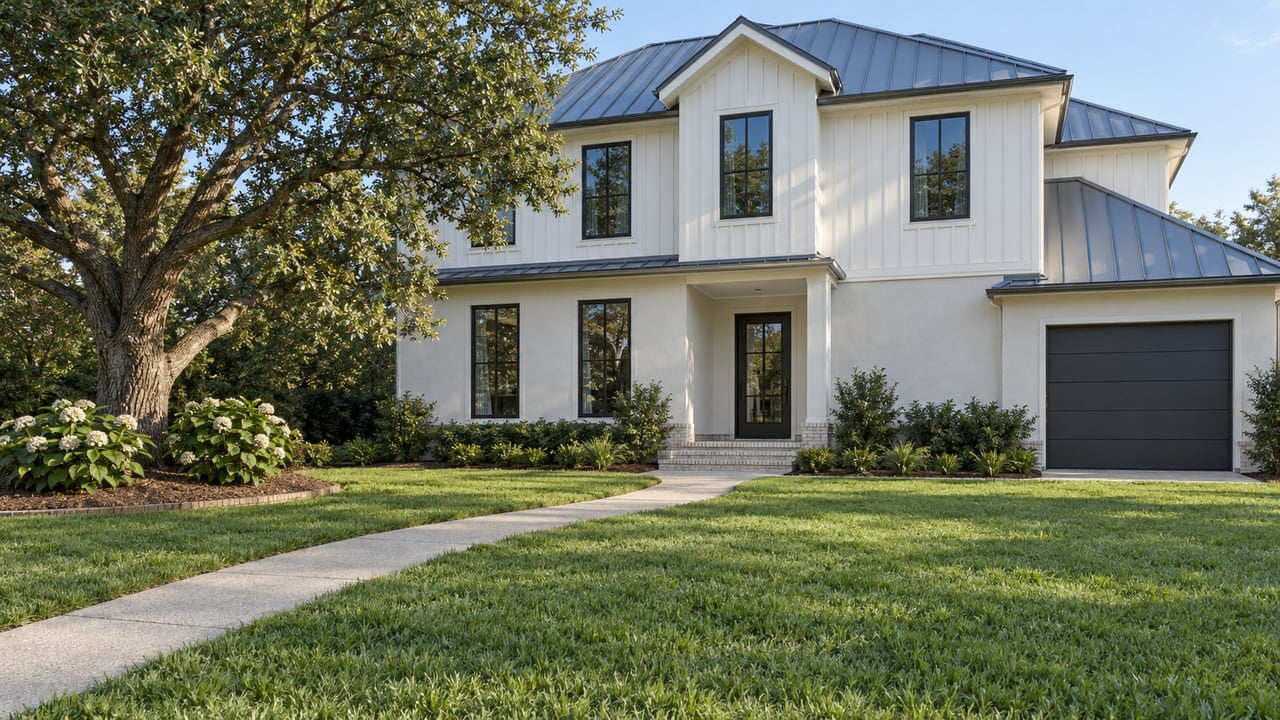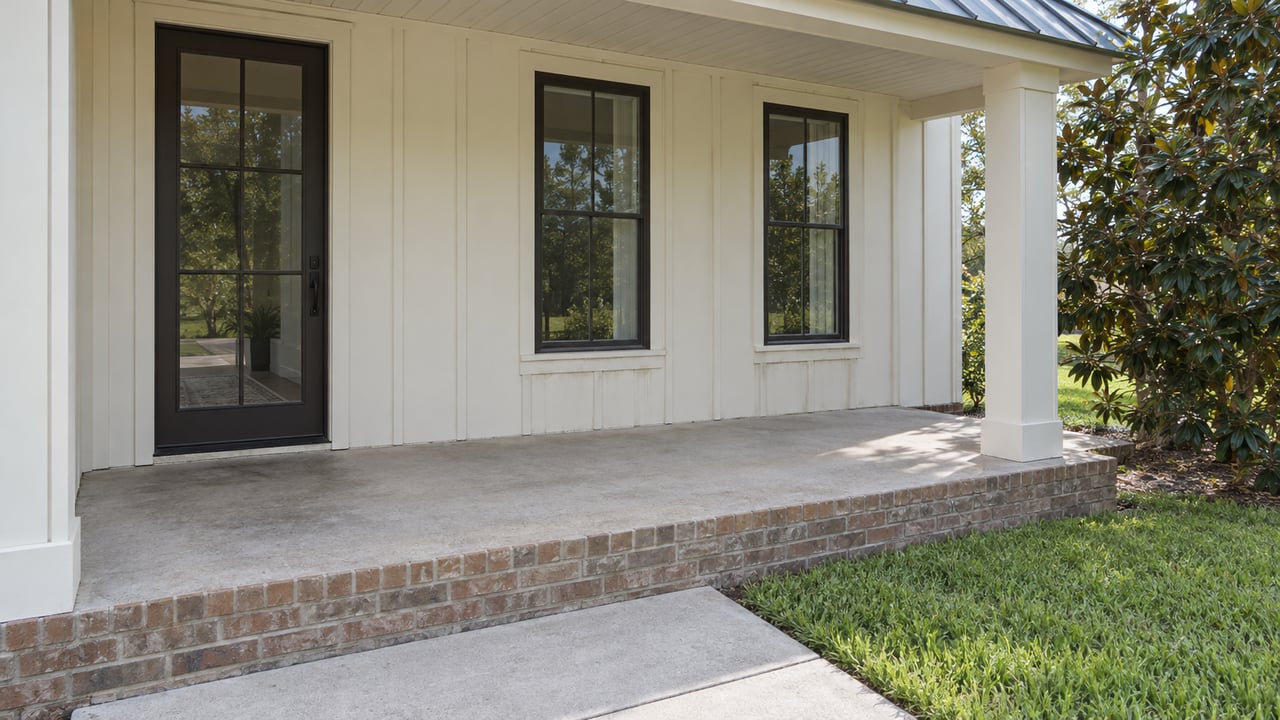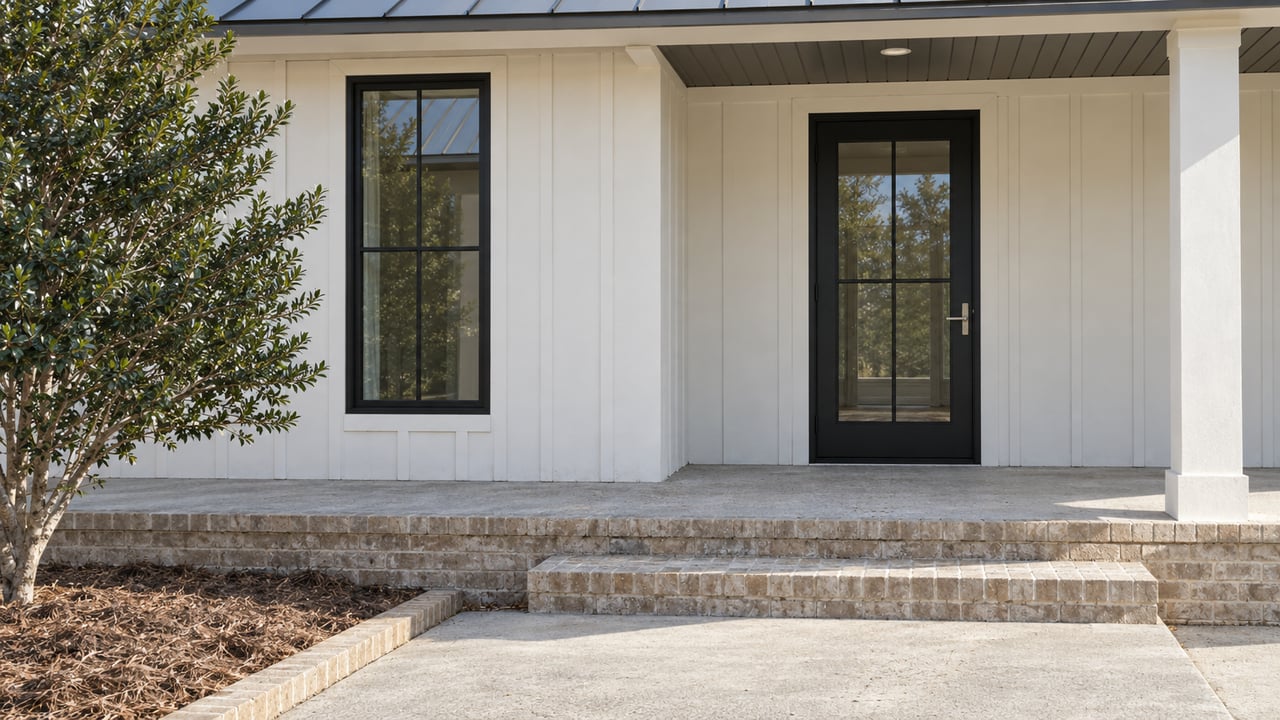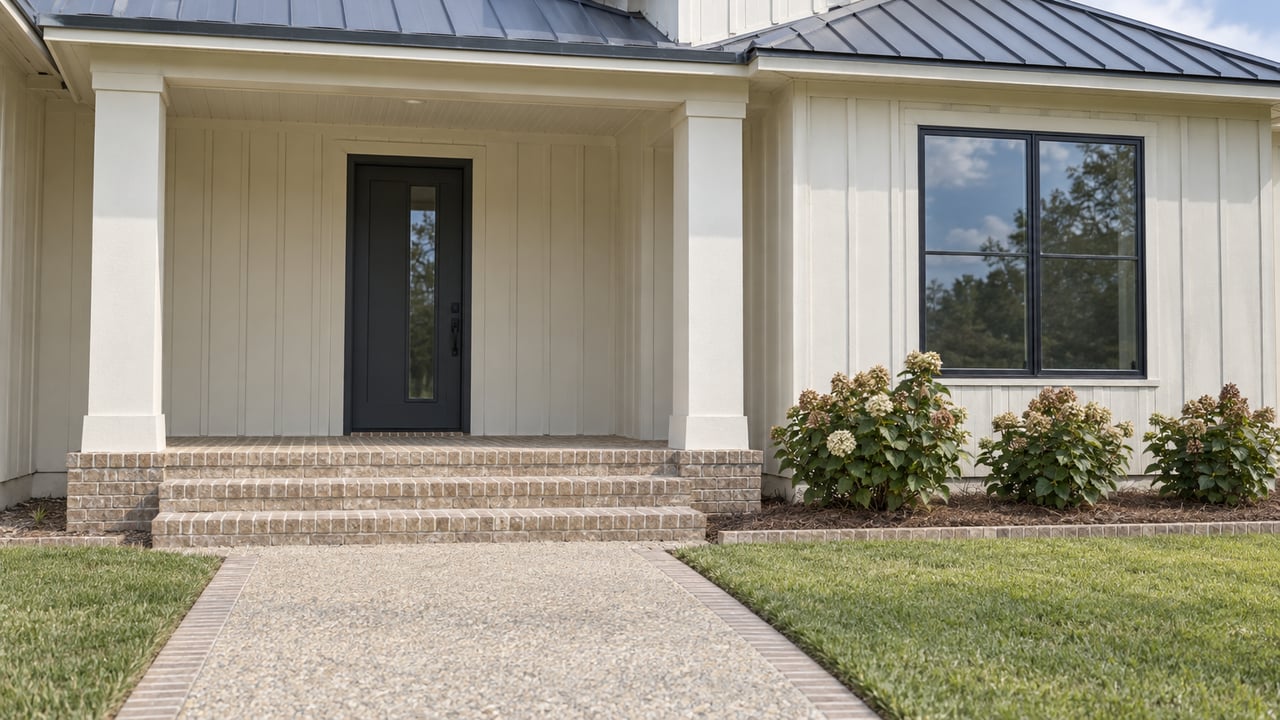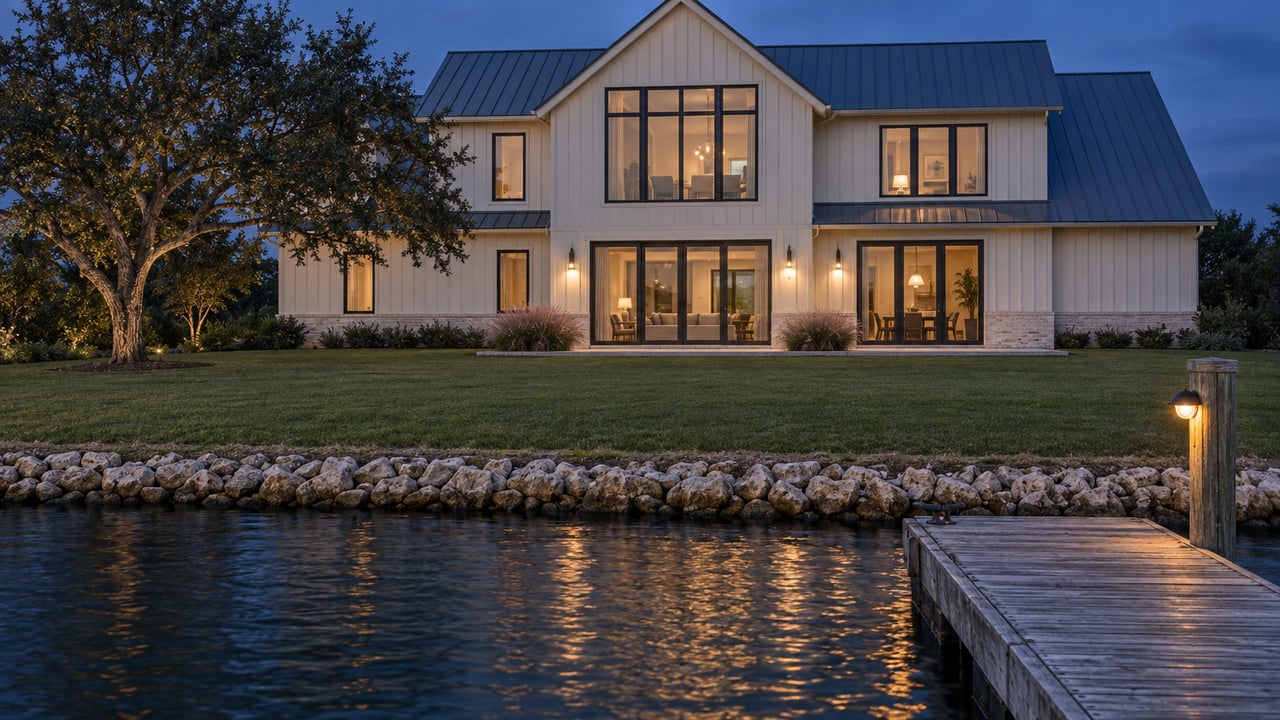
Owning a second home in Waterways should feel easy, not stressful. When you are heading out for a few weeks or closing up for a season, a solid lock-and-leave plan helps protect both your home and your boating setup. The good news is that Waterways was designed for a low-maintenance coastal lifestyle, with HOA-managed lawn care and irrigation, marina access, and fiber-optic connectivity that can support remote oversight. Let’s walk through a practical checklist that can help you leave with more confidence and return with fewer surprises.
Why a lock-and-leave plan matters
Waterways offers a strong setup for second-home ownership, especially if you want a gated waterfront community with marina access, a private boat launch, dry boat storage, walking trails, a resort-style pool, and HOA-managed lawn care and irrigation. That low-maintenance design is a real advantage when you are not in town full time.
Still, coastal ownership comes with responsibilities. In Gulf Shores and Baldwin County, hurricane and flood planning matters, even for homes built for easy living. Atlantic hurricane season runs from June 1 through November 30, and standard homeowners policies usually do not cover flood damage.
Start with interior prep
Before you leave, focus on the basics that make the home easy to secure and easy to reopen. Small steps now can help reduce avoidable problems later.
Unplug and secure key items
Unplug small appliances and electronics before a long absence. This can help reduce unnecessary power use and limit exposure to electrical issues while the home is empty.
Make sure doors and windows are fully secured. If your home has hurricane shutters, close them when needed, especially if local officials issue storm guidance or evacuation instructions.
Protect documents and records
Keep digital backups of important documents, including insurance policies, deeds, and other ownership records. It is also smart to photograph rooms, appliances, and valuables before you leave, since that can help with documentation if damage ever occurs.
Store original paperwork in a safe, elevated place. If you need to evacuate for a storm, take critical documents with you when possible.
Set temperature with humidity in mind
Your thermostat should not be an afterthought in coastal Alabama. An away setting can help manage energy use, but the bigger goal is keeping the home in a stable, moisture-conscious condition.
Indoor humidity should stay below 60%, and ideally in the 30% to 50% range, to help reduce mold risk. In practice, that means thinking about temperature and humidity control together, not temperature alone.
Test your smart-home setup
Remote access is only helpful if it actually works when you are away. Waterways’ high-speed fiber optics can make remote monitoring more practical, but you still need to test your system before the house sits empty.
Confirm remote access before departure
Before leaving town, verify that you can access:
- Thermostat controls
- Camera feeds
- Door-lock settings
- Leak alerts
- Alarm notifications
Do this while you are still at the property. It is much easier to fix a weak connection, a dead battery, or an app issue before you are several states away.
Keep local alerts in one place
Second-home ownership works best when your home alerts and local emergency alerts are both easy to find. The City of Gulf Shores recommends monitoring the city website, social media, local television, and radio during emergencies.
It also helps to keep important contact numbers with your home records. Gulf Shores lists Utilities at 251-968-6323 and Baldwin EMC at 800-837-3374 on its emergency-management page.
Know your re-entry details
If your property is within Gulf Shores city limits, the city issues Hurricane Re-Entry and Beach Parking Passes for residents and property owners. These are mailed on a two-year cycle to the Baldwin EMC billing address on record, and distribution stops once a hurricane warning is issued.
That means it is worth confirming your address details before storm season, not during it.
Treat the marina like part of the home
At Waterways, boating is part of everyday ownership. The community includes a private marina, private boat launch, guest slips, and dry storage, so your lock-and-leave plan should cover both the house and the boat.
Confirm what conveys with your property
Slip and storage details can vary from one home to another. Some properties include a boat slip or covered storage at closing, while others may offer on-site dry storage as a separate purchase.
Before a long trip or seasonal departure, confirm exactly what belongs to your property. That helps you plan storage, access, and storm prep more clearly.
Organize boat records early
Do not wait until a storm is approaching to gather paperwork. Keep boat insurance policies, vessel registration, marina agreements, equipment inventories, and emergency contact numbers together in a waterproof container.
That way, if you need to check, move, or document the boat later, the records are already organized.
Secure loose gear at the dock
If your boat stays in the water or at the dock, remove loose items that wind can carry or damage. This includes things like:
- Canvas covers
- Cushions
- Dinghies
- Electronics
- Other movable gear
It is also wise to inspect cleats and pilings and use extra dock lines, spring lines, fenders, and chafe protection before storm season arrives.
Use extra caution with boat lifts
Boats on lifts need special attention in hurricane conditions. Guidance recommends removing the boat from the lift if possible.
If removal is not possible, secure the boat to the lift, raise it as high as possible, and shut off lift power. This is one of those details that is much easier to plan in advance than at the last minute.
Make a trailer plan if needed
If your boat is trailered, plan ahead for a safer inland location. Before moving it, check both the trailer and tow vehicle.
Once relocated, secure the boat and trailer to fixed objects if appropriate. A clear relocation plan can save valuable time when weather conditions change quickly.
Understand what the HOA does and does not do
One of Waterways’ biggest advantages is its low-maintenance setup. The HOA manages lawn care and irrigation, which can make second-home ownership feel much simpler.
Still, it is important to stay realistic about what that covers. HOA-managed services do not mean someone is handling your interior systems, your boat maintenance, or your storm-prep checklist unless that service is specifically stated.
Use the HOA advantage wisely
Lawn care and irrigation being handled for you means one less thing to worry about while you are away. That supports the lock-and-leave appeal Waterways is known for.
But you should still have your own departure routine for the home’s interior, remote systems, and boating equipment. Low-maintenance ownership is not the same as no-maintenance ownership.
Review flood readiness before storm season
Flood planning is part of coastal ownership in Baldwin County. If you have questions about flood zones, Baldwin County points property owners to the FEMA Flood Map Service Center as the official online resource for flood-hazard maps, and county staff can help interpret maps and flood insurance questions.
Keep flood documents together
If your home is in a mapped flood-risk area, keep flood-related documents with your main property records. Baldwin County notes that elevation certificates are an important part of floodplain records.
It is also important to review flood insurance well before a storm is on the map, since most flood policies take 30 days to go into effect.
Document damage the right way
If a storm or flood affects your property, take photos of the damage before cleanup begins. Keep repair receipts as well.
That is especially helpful for second-home owners who may not be able to reach the property immediately after a weather event.
Build a return plan too
A strong lock-and-leave checklist should also include what happens when you come back. After a storm or flood, do not re-enter until it is safe and the structure has been checked for hazards such as downed lines, gas leaks, or structural damage.
If officials issue evacuation instructions, follow them. When you do return, a documented home, tested smart-home setup, and organized boat plan can make the process much smoother.
A well-prepared Waterways home should support the kind of ownership experience many second-home buyers want: easier departures, simpler returns, and more time to enjoy the waterfront lifestyle when you are here. If you are exploring homes, slips, or low-maintenance ownership options inside the community, Waterways of the Gulf Shores can help you understand the details that matter.
FAQs
What makes Waterways appealing for second-home owners in Gulf Shores?
- Waterways offers a gated waterfront setting with marina access, a private boat launch, guest slips, dry boat storage, a resort-style pool, walking trails, and HOA-managed lawn care and irrigation, which supports a lower-maintenance ownership experience.
What should Waterways owners do before leaving a home empty for weeks?
- Before leaving, you should secure doors and windows, unplug small appliances and electronics, back up important documents, photograph rooms and valuables, and set the thermostat with humidity control in mind.
How should Waterways owners prepare a boat before storm season?
- If your boat stays at the dock, remove loose gear, inspect cleats and pilings, and use extra dock lines, fenders, and chafe protection; if it is on a lift, remove it if possible or secure it carefully and shut off lift power.
What HOA services are included at Waterways?
- Waterways states that lawn care and irrigation are HOA-managed, but owners should not assume the HOA handles interior home systems, boat maintenance, or storm preparation beyond what is explicitly listed.
Where should Gulf Shores owners check flood-zone information?
- Baldwin County says the FEMA Flood Map Service Center is the official online resource for flood-hazard maps, and county staff can help property owners interpret flood maps and flood insurance questions.
How can Waterways owners monitor a second home remotely?
- Waterways’ fiber-optic connectivity can support remote monitoring, but you should test thermostat access, camera feeds, door locks, leak alerts, and alarm notifications before you leave town.