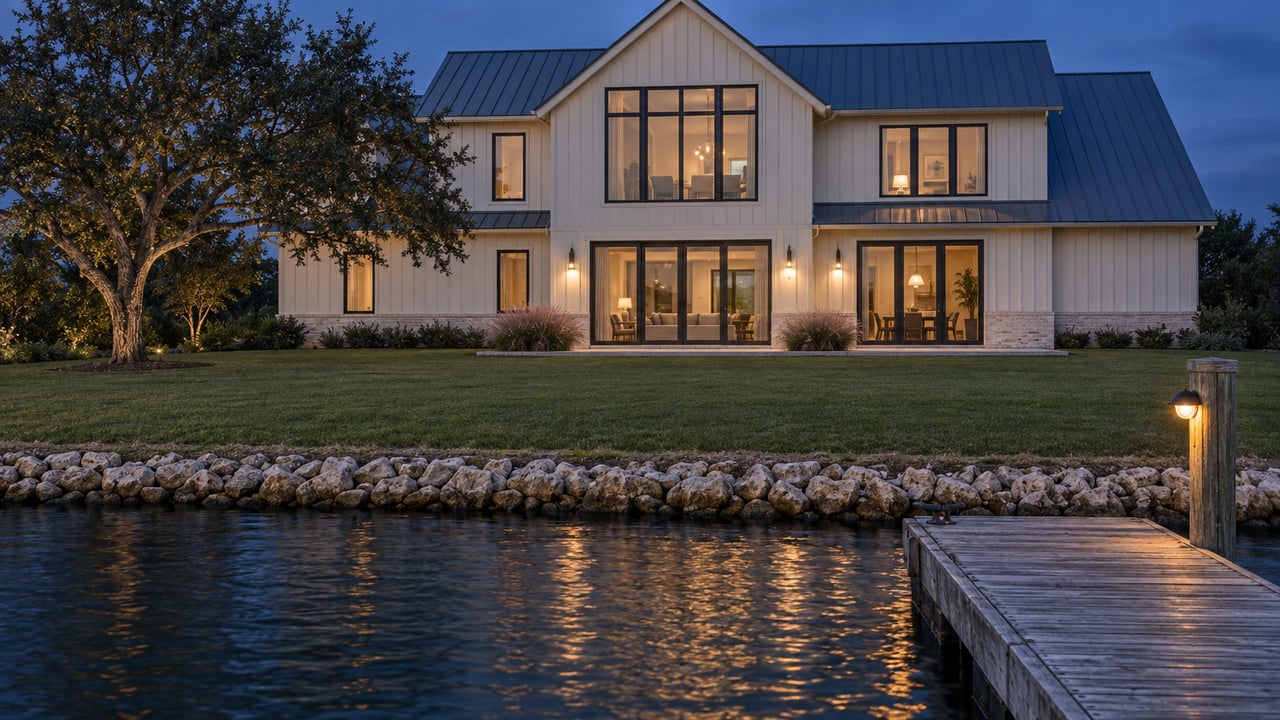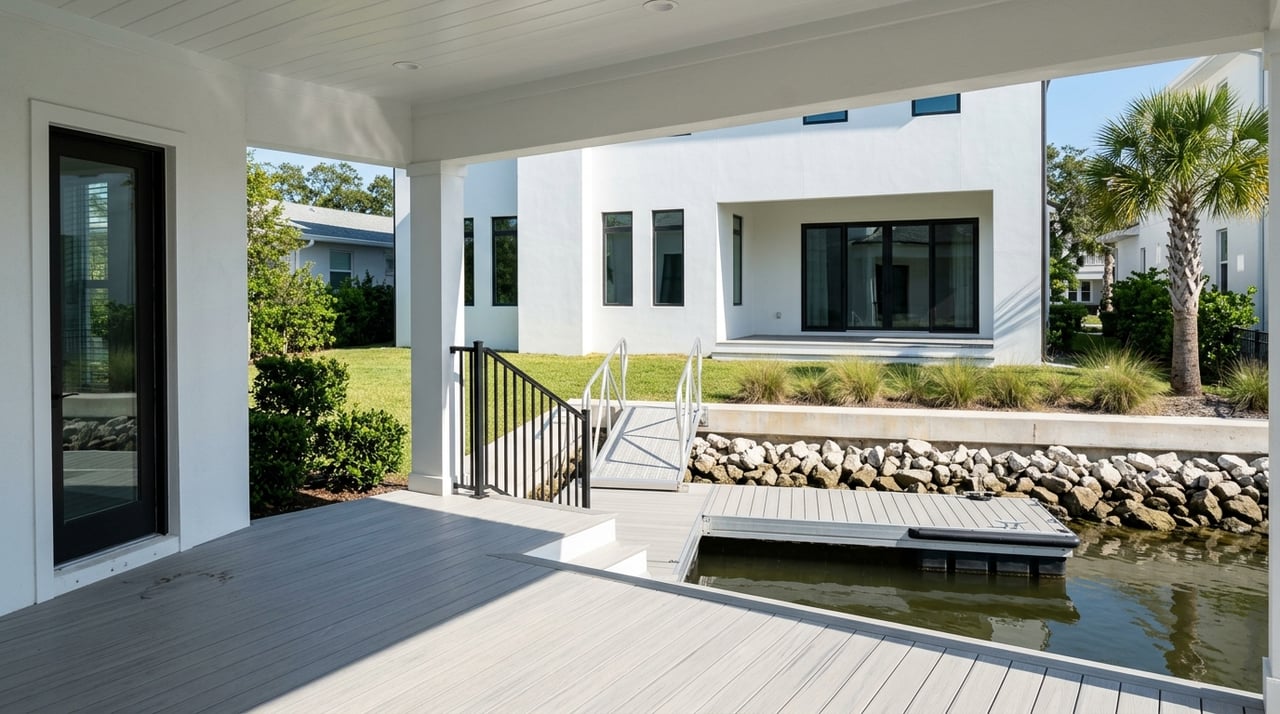
Dreaming about a waterfront home that can double as a personal escape and a rental asset? In Gulf Shores, that idea is easy to understand. You want a property that fits your lifestyle, attracts guests, and feels manageable when you are not in town. This guide will walk you through what shapes rental potential for waterfront homes near Waterways, what local rules matter most, and which questions can help you make a smarter decision. Let’s dive in.
Why Gulf Shores Supports Rental Demand
Gulf Shores benefits from a tourism market that is active well beyond summer. Gulf Shores and Orange Beach Tourism says Alabama’s Beaches are now a year-round destination, with lodging spending reaching $923 million in 2025, up from $871 million in 2024. That kind of growth helps explain why many buyers look at Gulf Shores waterfront property as both a lifestyle purchase and a possible income-producing asset.
Summer remains the strongest season, but spring and fall have stayed steady across vacation rentals and hotels. Tourism data also shows off-season travel is becoming more popular, while booking windows are getting longer and stays are getting shorter. For you as a buyer, that means rental demand may come from more than just a few peak summer weeks.
Visitor patterns also support the market in a practical way. Gulf Shores and Orange Beach attract many guests from regional drive markets in the Southeast and Midwest, not just fly-in travelers. In 2025, top vacation-rental visitor states included Alabama, Louisiana, Tennessee, Mississippi, and Georgia, which reinforces the appeal of easy repeat trips for families and second-home users.
What Seasonality Means for Rental Planning
Even in a healthy tourism market, rental performance is rarely flat all year. A monthly Gulf Shores and Orange Beach Tourism occupancy summary showed vacation rental occupancy near 49% in January versus about 89% in July. That gap is a useful reminder that annual results often depend on how well a property performs during both peak and shoulder seasons.
If you are exploring rental potential, it helps to think in terms of a full-year strategy instead of a single busy month. A home that shines in summer but struggles the rest of the year may perform differently than one that appeals to spring break travelers, fall visitors, and winter guests too. This is especially important for owners who want a balance between personal use and rental use.
Why Waterfront Homes Near Waterways Stand Out
Not all Gulf Shores properties offer the same guest experience. Homes near Waterways benefit from a marina-centered setting and an amenity mix that can stand out in a crowded coastal market. Waterways is a gated waterfront community less than a mile from the beach, with a zero-entry resort-style pool, boat storage, a private marina, and a private boat launch.
The marina includes 42 private deeded slips, which adds a level of ownership value that can matter to buyers who prioritize boating access. For guests, the appeal is easy to picture: a coastal stay that offers water access, resort-style amenities, and a more private, low-maintenance setting. For owners, that combination may support stronger interest from renters looking for something beyond basic beach proximity.
This kind of property is often especially appealing to:
- Boat owners who want dock-and-go convenience
- Second-home buyers who may rent the home when not using it
- Multi-generational groups who want space and easy amenities
- Guests drawn to boating and other outdoor coastal activities
That said, amenities can improve appeal, but they do not guarantee rental income. Strong performance still depends on the property, the rules, the ownership costs, and how the home is managed.
The Value of a Low-Maintenance Ownership Model
For many second-home and investor-minded buyers, ease of ownership matters almost as much as location. Waterways is known for a low-maintenance coastal lifestyle, with gated entry and HOA-managed lawn upkeep. That can be attractive if you want a home that feels polished and easy to care for between visits.
From a rental perspective, a community with shared amenities and managed common areas may also help support a consistent guest experience. Guests often notice things like curb appeal, ease of arrival, parking setup, and how simple it is to enjoy the property without extra hassle. Those details can shape repeat demand just as much as square footage or finishes.
Local Rules Can Change the Numbers
One of the biggest mistakes buyers make is focusing only on demand while overlooking compliance. In Gulf Shores, any owner renting in the city’s corporate limits or police jurisdiction must submit a business license application. Separate applications and licenses are required for each rental location.
The city also says short-term rentals carry a $45 rental fee, require a local emergency contact, and must complete rental safety inspections every three years. The licensing process can include zoning review, possible fire marshal inspection, and payment before a certificate is issued. Even if a property manager collects and remits lodging tax, the owner still needs a business license for each short-term rental location.
These are not small details. They can affect your timeline, your operating process, and your carrying costs. If you are comparing homes, local compliance should be part of your evaluation from the start.
Understand Short-Term vs Long-Term Rental Treatment
Your rental strategy matters because Gulf Shores treats short-term and long-term stays differently. The city says lodging tax applies to short-term condo, house, and duplex rentals in the city and police jurisdiction. That tax is due on or before the 20th of the following month, and the total rate is 16% in the corporate limits or 11% in the police jurisdiction.
There is also an important distinction for longer stays. The Alabama Department of Revenue says lodging tax does not apply to accommodations supplied for 180 continuous days or more. Gulf Shores also notes that one rental or lease unit intended for long-term occupation by a single family can be exempt from the annual license and licensing requirement while it is leased under a written agreement for 180 days or more.
For you, this means the same home could look very different on paper depending on whether your plan is short vacation stays or longer leases. Before you project income, make sure you understand which path actually fits the property and your goals.
Waterfront Ownership Comes With Extra Due Diligence
Waterfront homes can be compelling, but they also call for more careful review. If you plan to add or modify a pier or boathouse, Gulf Shores says Corps of Engineers permission and Alabama State Lands Division permission are required before the city can issue a building permit. That is important if you are assuming future upgrades will be simple.
Flood and weather exposure should also be part of your planning. The city’s Building Department directs owners to flood-zone determinations, FEMA flood maps, and elevation certificates. FEMA notes that coastal homes in high-risk A and V zones face greater flood exposure, and NOAA says Atlantic hurricane season runs from June 1 through November 30.
That does not mean waterfront ownership is a bad fit. It means you should review insurance requirements, flood exposure, and any planned improvements with care before you buy.
Questions to Ask Before You Buy
The right questions can save you time, money, and frustration later. If you are evaluating a waterfront home near Waterways for personal use, rental use, or both, here are some of the most important points to clarify.
Ask About HOA and Rental Rules
Start with the governing documents and daily-use rules. Even a beautiful home in a strong tourism market may not fit your plan if rental restrictions are tighter than expected.
Ask questions like:
- Does the HOA allow short-term rentals?
- Is there a minimum-stay requirement?
- Are there rules on guest counts, pets, quiet hours, or parking?
- Are golf carts or overflow parking restricted?
Ask About Slip and Marina Rights
For a marina-centered property, boating details matter. The value of a waterfront home can change quickly if the slip setup is different from what you expected.
You should ask:
- Are boat slips deeded, assigned, rented, or revocable?
- Does the slip transfer with the home?
- Can guests use the marina and boat launch?
- Can guests access boat storage or trailer parking areas?
Ask About Costs and Operations
It is also smart to get clear on who handles what after closing. Small operational details can have a major impact on your ownership experience.
Focus on questions such as:
- Which HOA dues cover the dock, launch, pool, lawn, and security costs?
- Who handles the business license, safety inspection, and lodging tax in practice?
- What flood, wind, and liability insurance may be required?
- If you prefer longer stays, does the home fit the city’s 180-day long-term treatment?
What Strong Rental Potential Really Looks Like
In Gulf Shores, strong rental potential is not just about being near the water. It usually comes from a mix of factors working together: location, boating access, amenity appeal, manageable ownership, clear rental rights, and realistic operating costs. A home near Waterways may check many of those boxes, especially if you value marina access and a more turnkey coastal setup.
Still, the difference between a promising asset and a frustrating one often comes down to details. HOA rules, slip rights, flood and insurance exposure, and local licensing requirements can all shape your real-world results. That is why careful review matters more than broad assumptions.
If you are considering a waterfront home near Waterways, it helps to work with a team that understands the community, the inventory, and the ownership questions that matter most. To explore current opportunities and talk through what may fit your goals, connect with Waterways of the Gulf Shores.
FAQs
What affects rental potential for waterfront homes in Gulf Shores?
- Rental potential is often shaped by tourism demand, seasonality, boating access, community amenities, HOA rental rules, licensing requirements, taxes, and insurance exposure.
Do Gulf Shores short-term rentals need a business license?
- Yes. Gulf Shores says owners renting in the city’s corporate limits or police jurisdiction must submit a business license application, and separate licenses are required for each rental location.
How much lodging tax applies to short-term rentals in Gulf Shores?
- Gulf Shores says lodging tax totals 16% in the corporate limits and 11% in the police jurisdiction for short-term condo, house, and duplex rentals.
Are long-term rentals treated differently in Gulf Shores?
- Yes. The Alabama Department of Revenue says lodging tax does not apply to accommodations supplied for 180 continuous days or more, and Gulf Shores notes some long-term rental arrangements may be exempt from annual licensing requirements when leased under a written agreement for 180 days or more.
Why do homes near Waterways appeal to rental-minded buyers?
- Homes near Waterways may appeal to buyers because the community offers a gated waterfront setting, a private marina, deeded slips, boat storage, a private launch, and a resort-style pool in a low-maintenance environment.
What should buyers ask about a waterfront home near Waterways?
- Buyers should ask about HOA rental rules, minimum-stay requirements, guest-use rules, marina and slip rights, amenity access, insurance needs, and who handles licensing, inspections, and lodging tax.