Water at your doorstep or on your horizon? If you are dreaming about life by the water in Gulf Shores, choosing between a true waterfront home and a waterview property shapes everything from your daily routine to your insurance costs. You want clarity before you commit. In this guide, you will learn how these options compare on access, maintenance, risk, rules, lifestyle, and resale so you can buy with confidence. Let’s dive in.
Waterfront vs. waterview in Gulf Shores
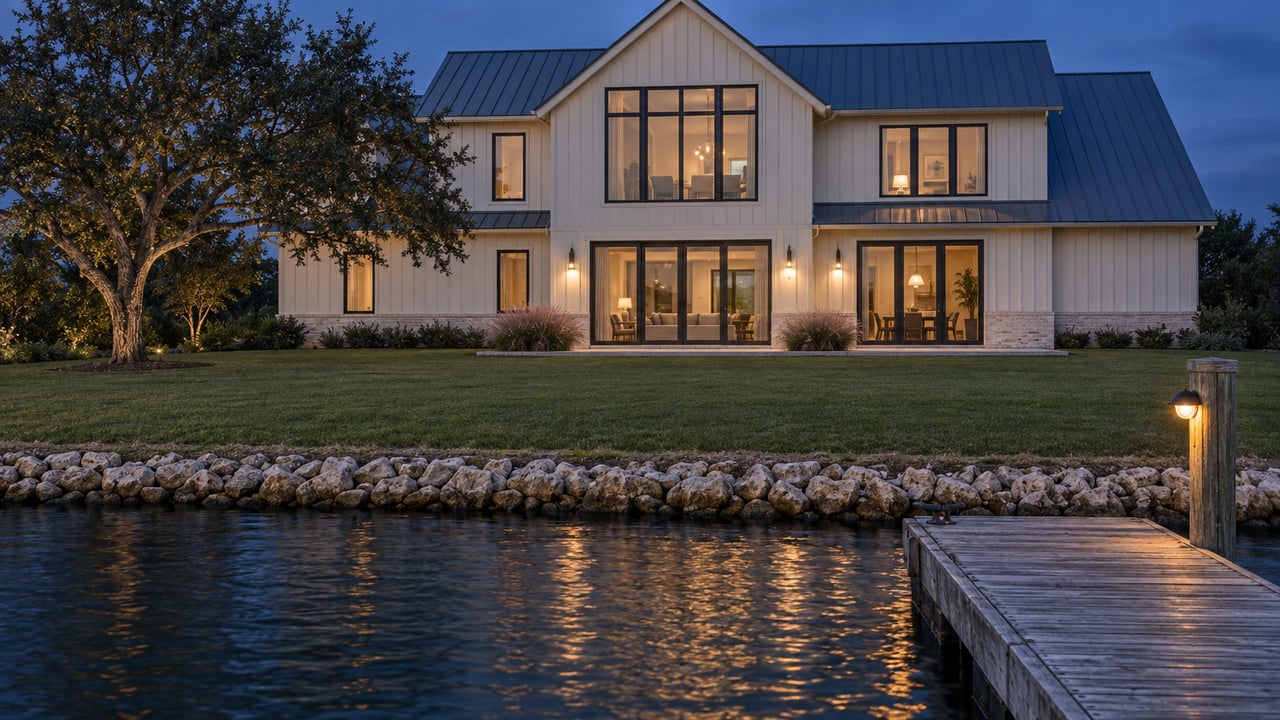
Waterfront means direct, physical frontage on a navigable waterbody. In Gulf Shores, that can include Gulf-front, bay or lagoon-front, canal-front, and some marina-based options. You typically have immediate water access from your lot and may have a private dock, seawall, or shoreline adjacent to the home.
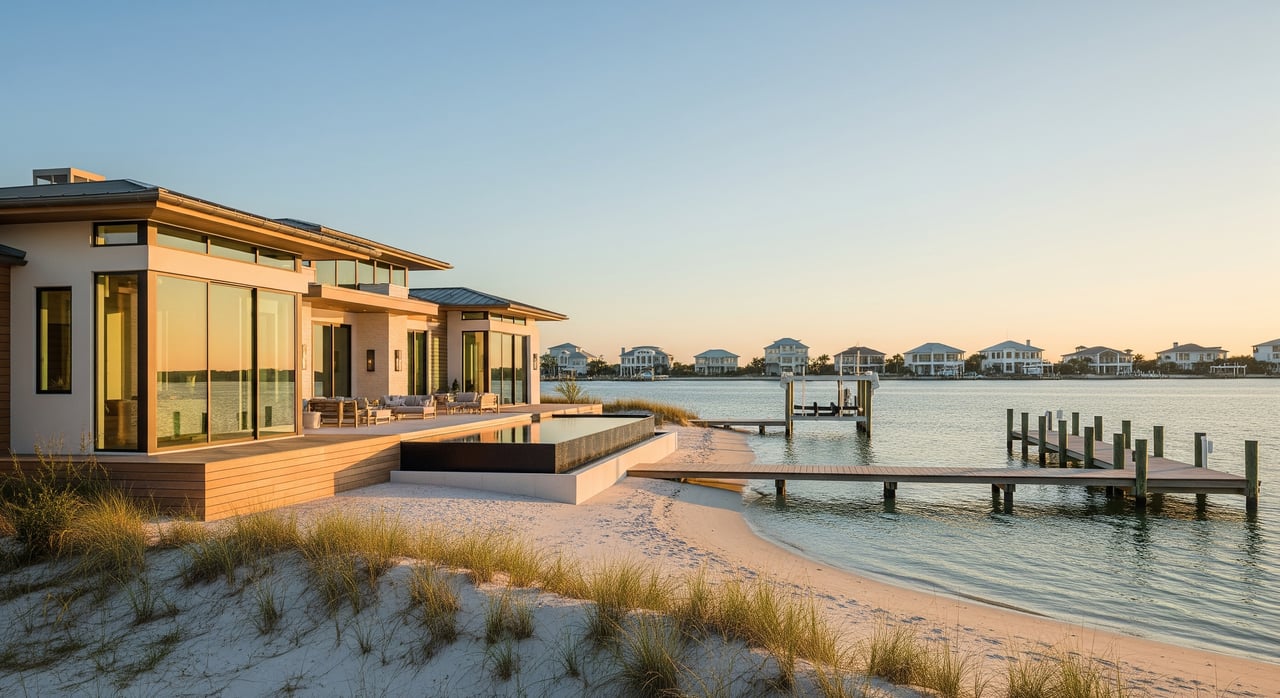
Waterview means you see the water from your home or lot but do not have private shoreline access. You may reach the water through public beaches or parks, a shared community dock, or a separate marina slip that you own or lease.
Common local property types include Gulf-front homes with direct beach access, protected bay or lagoon-front homes, canal-front residences, and condos or homes tied to nearby marinas. Elevated homes on pilings are common across both categories.
Water rights and docks
Along the Alabama coast, waterfront ownership comes with specific water-use concepts:
- Littoral rights apply to tidal waters like the Gulf.
- Riparian rights apply to rivers and canals.
These rights shape how you access the water and whether you can build structures like docks or seawalls. You do not automatically own the submerged land below certain tidelines, and docks or pilings often require permits and may involve leases for state-owned bottomlands. If a property includes a dock or boat slip, verify whether it is owned, leased, or transferable, especially when tied to a marina or homeowners association.
Flood, storms, and permits
The northern Gulf is shaped by hurricanes, tropical storms, and storm surge. Homes facing the open Gulf or large bays typically carry more wind and surge exposure than sheltered bayou or canal locations. Erosion can affect beachfront and some bay-front lots, which may require periodic shoreline work.
Coastal construction rules matter. Waterfront projects such as docks, seawalls, and shoreline stabilization usually need permits from city or county building departments, and sometimes state agencies for work seaward of regulated lines. Building codes for wind and flood-resistant construction apply in coastal zones, and elevation standards can affect both buildability and insurance.
Costs and insurance
Owning on the water adds unique maintenance and insurance considerations:
- Flood insurance is common for waterfront homes located in mapped flood zones and may be required by lenders. Premiums often depend on your flood zone and Elevation Certificate.
- Wind and hurricane coverage can be a significant factor for coastal properties.
- Maintenance on seawalls, bulkheads, docks, and pilings is recurring. Plan for inspections, hardware replacement, corrosion management, and post-storm checks. Salt air accelerates wear on exterior metal, HVAC systems, and appliances.
- Utilities and drainage may include septic in some areas, plus attention to grading and stormwater flow that can impact erosion and flood risk.
- HOA and marina fees can cover dock upkeep, dredging reserves, insurance, and amenities. Ask about special assessment histories and policies.
Lifestyle and privacy
Your day-to-day experience can differ a lot between waterfront and waterview:
- Access and convenience. Waterfront living gives you immediate launching, docking, and fishing from your yard. Waterview offers scenic enjoyment with less direct responsibility and can still provide easy access via public spots or a marina slip.
- Privacy and noise. Waterfront homes near channels or marinas may experience more boat traffic, wake, and social activity. Waterview homes set back or elevated can feel quieter and more private.
- Wake exposure. Homes on canals or near marked channels see more wake, which can affect docking safety, shoreline erosion, and seawall stress. Local speed zones and breakwaters can help.
- Wildlife and environment. Waterfront lots bring closer encounters with coastal wildlife and seasonal nuisances like insects or occasional water-quality advisories. Bayou and marsh-front settings differ from open Gulf-front environments.
Marina access factors
If your plan includes a boat but not necessarily private frontage, look closely at marina specifics:
- Slip availability and whether slips are owned, leased, or transferable.
- Any waitlists, liveaboard rules, and fuel or maintenance services.
- Dredging schedules and costs that keep channels navigable.
- Slip fees, insurance requirements, and liability rules that affect monthly costs.
Marina-adjacent living can deliver the boating lifestyle without single-family dock maintenance, especially if a community offers deeded slips and on-site storage.
Resale and marketability
Waterfront homes often command price premiums, reflecting direct access and scarce shoreline. That said, they can have a narrower buyer pool due to higher insurance and maintenance. Waterview homes can appeal to a broader audience seeking scenic beauty with lower ongoing costs. Marina-focused condos and homes attract boaters who want slip access with less upkeep. Resale strength often hinges on slip transferability, HOA stability, and the reputation of the marina and community.
What to review before you buy
Key documents to request
- Current survey with shoreline boundaries and easements
- Title info on littoral or riparian rights and any submerged land leases
- Dock, seawall, or stabilization permits plus maintenance records
- Marina slip ownership or lease paperwork and transfer rules
- HOA covenants and meeting minutes for fees or special assessments
- Flood zone designation and any recent Elevation Certificate
- Insurance history and records of storm repairs
Priority inspections
- Structural review of pilings, caps, and elevated supports
- Seawall or bulkhead evaluation by a qualified marine contractor
- Dock condition, electrical and lighting safety
- Signs of erosion, undermining, or scouring around foundations
- Septic system status or municipal sewer confirmation
- Navigable depth at mean low tide for your intended boat size
Smart questions to ask
- Who owns the dock or slip, and is it transferable? Any monthly fees or waitlists?
- What shoreline or storm repairs were done in the last 10 years, and how were they permitted?
- Which FEMA flood zone and base flood elevation apply, and what were recent premiums?
- Are there no-wake or speed rules that affect the property’s waterfront?
- Are there any dredging needs or nearby development plans that may change exposure?
How to choose with confidence
Start with your lifestyle goal. If daily boating, fishing, and direct access are essential, true waterfront may be worth the added cost and care. If you want panoramic sunsets and a quieter setting with lower maintenance, waterview can be a better fit, especially with reliable marina access nearby.
Balance your comfort with insurance, maintenance, and storm preparation. Look closely at privacy, wake exposure, and noise. Finally, think about future resale and which buyer group your property will attract.
Your next step
If you love the idea of a marina-first lifestyle with low-effort ownership, explore a community that pairs beautiful water views with deeded marina access, gated security, resort-style amenities, and HOA-managed upkeep. To learn how this experience comes together in Gulf Shores, connect with the local team behind Waterways of the Gulf Shores for a friendly, no-pressure consultation.
FAQs
What is the main difference between waterfront and waterview in Gulf Shores?
- Waterfront has direct shoreline access on a navigable waterbody, while waterview offers water views without private shoreline access.
How do littoral and riparian rights affect Gulf Shores owners?
- Littoral rights apply to tidal waters like the Gulf and riparian rights apply to rivers and canals, shaping access and rules for docks and shoreline use.
Do waterview homes need flood insurance on the Alabama coast?
- It depends on the specific flood zone; lenders often require flood insurance if the property is in a mapped high-risk zone.
What upkeep should I expect for a waterfront dock or seawall?
- Plan for regular inspections, hardware and decking replacement, corrosion control, and occasional seawall or stabilization work, especially after major storms.
What should I confirm before buying a home with a marina slip?
- Verify if the slip is owned or leased, transfer rules, fees, insurance requirements, dredging schedules, and any waitlists or restrictions.