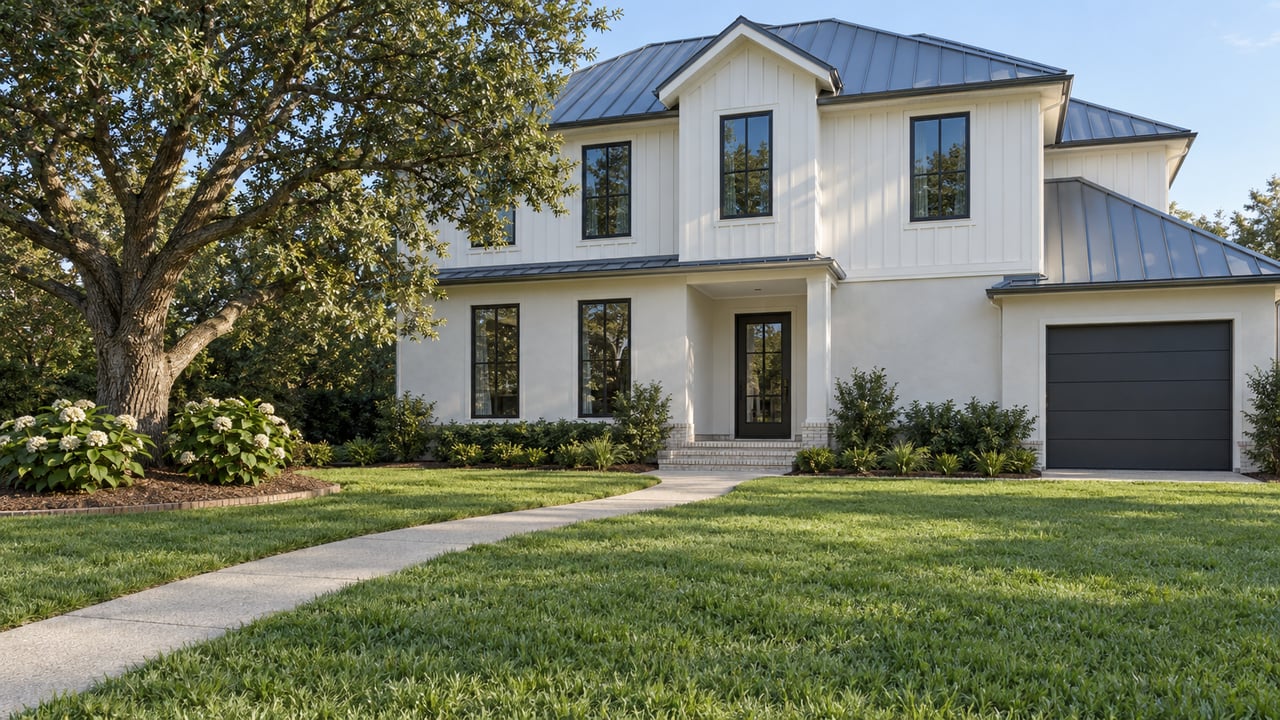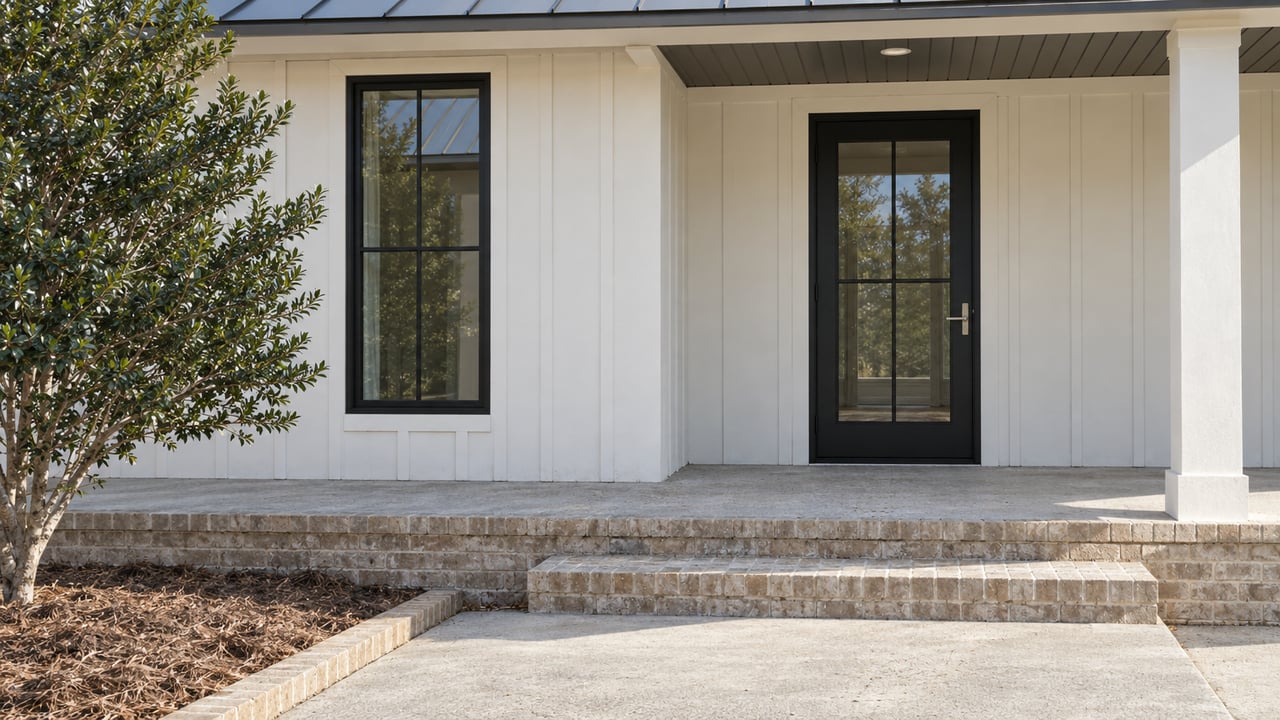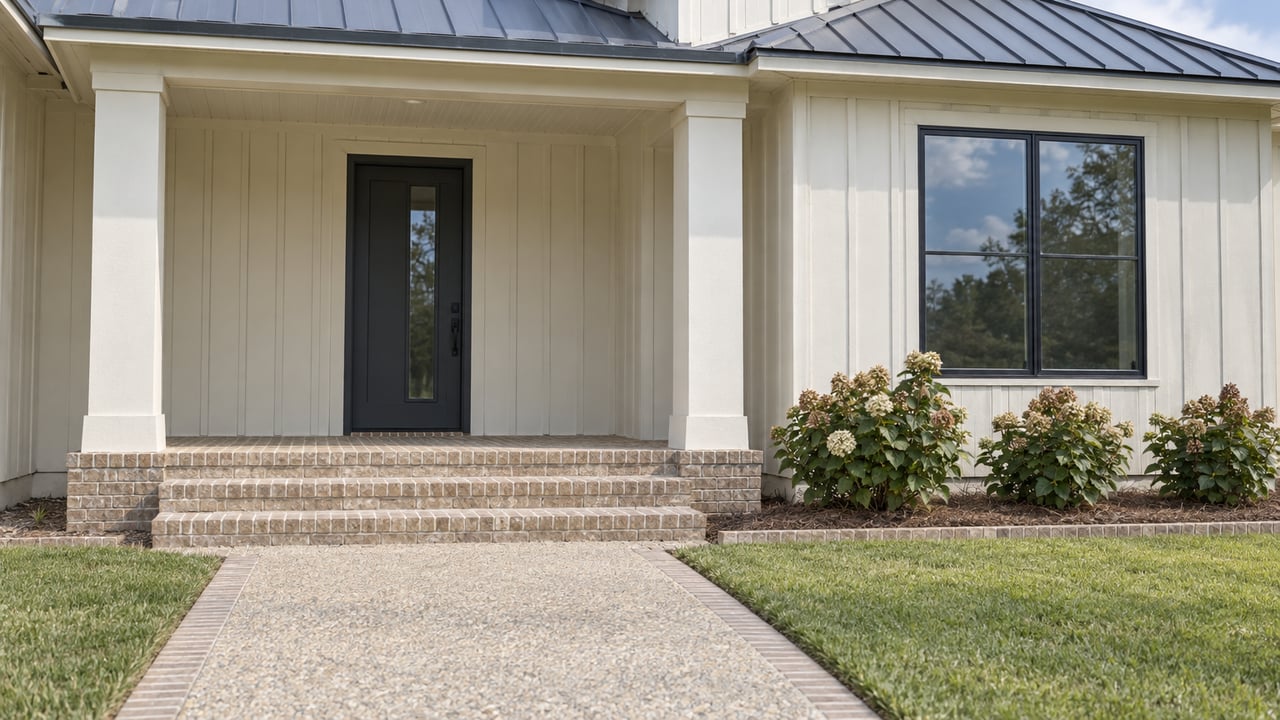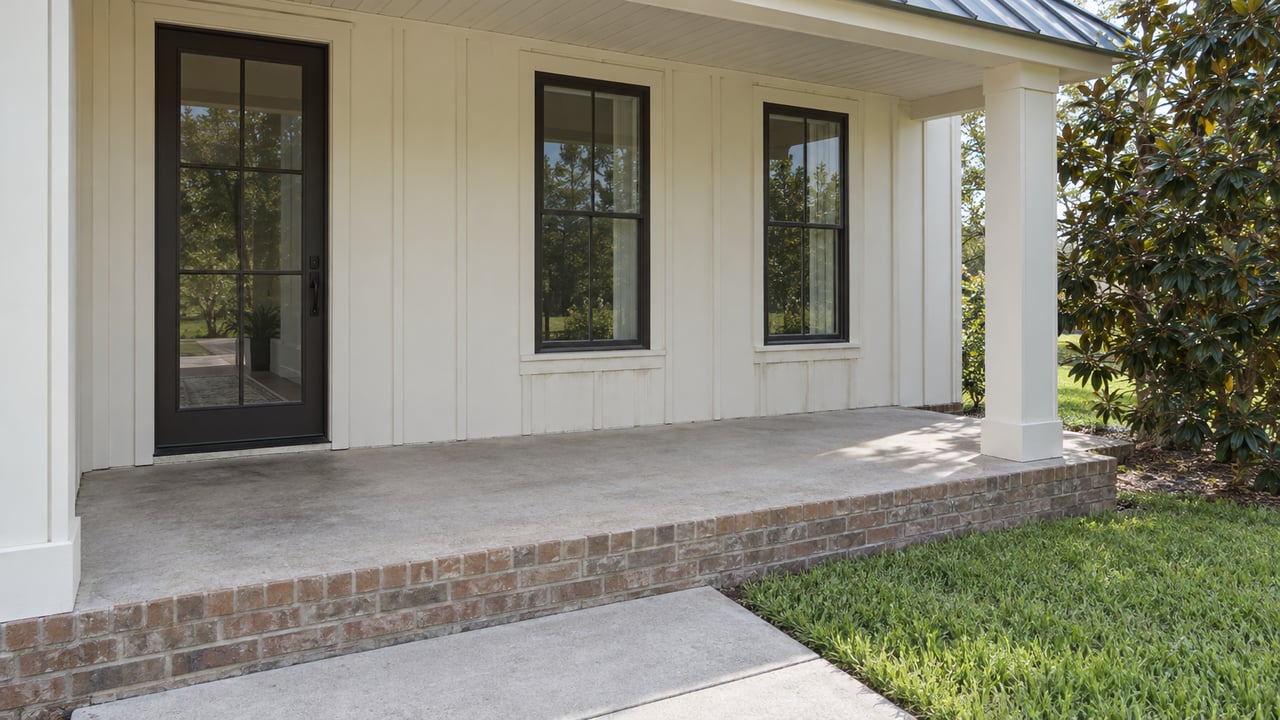
"You are responsible for taxes on all property you own, no matter whose name the bill is addressed to." That line comes from the Baldwin County Revenue Commission's page on what to do when you purchase property. The same page warns that after a sale, the tax bill "will usually be in the previous owner's name."
That warning matters more than it looks, because the bill in the seller's name tells you the seller's tax situation. Under Alabama's newest assessment rule, most sales reset much of what made that bill what it was. If you're buying a second home at Waterways this fall, two things set your tax bill. One is the full reassessment that usually comes with a change of ownership. The other is the assessment class the county puts the home in. The homestead exemption, which gets most of the attention in buyer guides, matters least of the three.
The Cap That Doesn't Transfer
In 2024 Alabama passed HB73, Act 2024-344. It limits how much the taxable assessed value of Class II and Class III real property can rise each year, to 7 percent. According to the Alabama Department of Revenue, the base year took effect October 1, 2024, and collections under the cap began October 1, 2025.
The same page lists the events that remove the cap. When one happens, the property is reassessed at "its full, true assessed value." These are the triggers that matter for a Waterways purchase:
- A change in ownership. Exceptions cover transfers between spouses or family members for no or nominal consideration, transfers because of the original owner's death, and redemption after foreclosure, tax sale or tax lien.
- A change in assessment classification, such as a move from Class III to Class II.
- A new improvement that has never been assessed. The department's examples include a single-family home and a swimming pool.
- An addition or a significant improvement. Ordinary maintenance doesn't count.
So an arm's-length purchase takes the home off the cap. If market values rose faster than 7 percent a year while the seller owned the home, the seller's taxable value sat below full value, and your first full bill closes that gap all at once. The cap is young, so in 2026 the gap has only had a short time to build. It grows each year values outpace 7 percent, though, so the seller's bill becomes a less reliable guide the longer a home goes between sales.
The appraisal also runs a year behind. According to Baldwin County's Revenue Commission FAQ, 2026 appraised values were based on sales and listings from October 1, 2024 through September 30, 2025. The notice date was March 17, 2026, and the final appeal date was April 17, 2026.
Classification Moves the Bill Most
Once the home is reassessed at full value, its assessment class decides how much of that value is taxed. Code of Alabama §40-8-1 assesses Class III residential property at 10 percent and Class II, "all property not otherwise classified," at 20 percent.
Here's how the county applies that to second homes, in the words of its exemptions page: "Property owners who own a second home are eligible for a Class III designation but are not eligible for a homestead exemption. Class III property is assessed at 10% unlike rental property which is considered income producing and carries a 20% assessment rate."
To see how much that matters, here's the arithmetic on a hypothetical home appraised at $1,000,000. It uses the Gulf Shores total of 33.0 mills from the Alabama Department of Revenue's October 2025 Baldwin County millage schedule. That total is 6.5 mills state, 9.5 mills South Baldwin County, 12 mills Gulf Shores school district and 5 mills Gulf Shores municipality. The numbers are an illustration, not a quote for any real home.
| Illustrative $1,000,000 appraisal | Class III, second home not rented | Class II, rental |
|---|---|---|
| Assessment ratio | 10% | 20% |
| Assessed value | $100,000 | $200,000 |
| Tax at 33.0 mills | $3,300 | $6,600 |
| Homestead exemption available | No | No |
The appraisal and millage are the same in both columns. Only the class changes, and the bill doubles. Baldwin County's FAQ tells owners whose assessment has doubled that "this may be an assessment issue" and that they may contact the assessment department.
How Rental Use Changes the Math
Along much of the coast, rental income is part of the plan, and the county treats rental property as income-producing Class II at 20 percent. A Waterways home held as a primary residence, or as a second home that isn't rented, fits the categories the county assesses at 10 percent.
The cap rules point the same way. The Department of Revenue lists a classification change as a cap-removal event. Its example is a move from residential Class III to Class II. So turning a home into a rental can raise the assessment ratio and remove the cap at once.
The county states the second-home rule on its own page. The statute itself defines residential property as real estate "used by the owner thereof exclusively as the owner's single-family dwelling" and never mentions second homes. The clearest written guidance for a Baldwin County second home is therefore the Revenue Commission's own wording, and the Assessment Office is the place to confirm how your home is classified.
The $45 Exemption
Next to classification, the homestead exemption is a small number. Baldwin County describes the regular H-1 exemption for owners under 65 as a "Reduction in taxes up to $45.00." It applies only to a primary residence, the owner can't hold a homestead exemption on any other home, and the owner must live in the house on October 1 of the year claimed. Applicants need a copy of an Alabama driver's license.
For a second-home buyer, the H-1 isn't available at all. For a buyer moving here full-time, it's worth claiming, but $45 is small next to the gap between a 10 and a 20 percent ratio. The larger exemptions are tied to age and income. The county lists an Over 65 Assessment Freeze and the H-2, H-3 and H-4 categories. Those use a $12,000 adjusted gross income or taxable income threshold from the applicant's state or federal return, and H-3 exempts qualifying owners from all taxes.
New Construction Starts Without a Cap
Waterways inventory includes homes still under construction, and those follow their own timeline. The Department of Revenue lists "a newly added improvement of any type to the parcel, such as a single-family home" that has never been assessed as an event that removes the cap. A new home's first assessment is at full value.
Timing depends on the October 1 lien date. Under Code of Alabama §40-7-1, improvements partially completed on October 1 are reported and assessed as incomplete for that tax year. Baldwin County's appraisal division appraises a year in arrears, so 2026 appraisals reflect each property as it stood on October 1, 2025. A home finished partway through the year can show up on one bill as a partly built structure and on the next as a finished house at full value.
The Calendar for a Late-2026 Closing
Baldwin County's FAQ says property tax bills are mailed in October. Baldwin County's collections division says taxes are due each year on October 1 and become delinquent after December 31, with penalties and interest after that.
The county's published steps for buyers, and the state deadlines that go with them, run in this order:
- Record the deed in the Probate Office.
- Bring a copy of the recorded deed to the Revenue Commission Assessment Office, with a driver's license copy for each owner listed as grantee, and claim the exemptions you qualify for.
- The assessment window. Under §40-7-1, a buyer who purchases before October 1 and owns the property on October 1 reports and assesses it "between October 1 and prior to January 1 following such purchase."
- The H-1 deadline for a primary residence. The county requires the claim "before December 31st of the year purchased."
- Taxes on the current bill, which stay the owner's responsibility even when the bill is in the seller's name. The county's payment options page lists in-person, online, mail and phone payment, and mailed payments must be postmarked by December 31 to avoid a penalty.
A Few Questions Buyers Ask
Does my second home at Waterways get the homestead exemption? No. Baldwin County says a second home can be Class III at 10 percent but isn't eligible for a homestead exemption, which is limited to a primary residence.
Does the seller's 7% cap carry over to me? Not in an arm's-length sale. The Department of Revenue lists a change in ownership as an event that removes the cap. The exceptions include certain transfers between spouses or family members and transfers because of the owner's death.
Which millage rate applies to my bill? The Alabama Department of Revenue's October 2025 schedule puts the Gulf Shores total at 33.0 mills, and the county's municipality sheet, revised March 2025, lists Gulf Shores at 0.033. Check with the Revenue Commission for the rate on your own bill.
This post is general information, not legal, tax or financial advice. Please confirm how your home is classified, which exemptions you qualify for and which deadlines apply to your purchase with the Baldwin County Revenue Commission or a tax professional.
If you're weighing a Waterways resale or a home under construction this fall, the Scarbrough Team at Waterways of the Gulf Shore can help you get the right questions to the Revenue Commission before you close. Schedule a Consultation, and we'll go through the timeline for your purchase together.